Rebuilding Syria after years of conflict now means tackling the challenge of restoring infrastructure and institutions while making climate resilience a core part of recovery. At the eighth Berlin Climate and Security Conference (BCSC), Syrian stakeholders and international experts looked at how climate priorities could influence the country’s long-term stability as it moves forward.
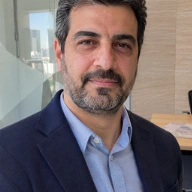
The panel featured Dr Muna Albanna, Regional Infrastructure Advisor at the United Nations Office for Project Services (UNOPS), HE Dr Ahmed Ekzayez, Deputy Minister at Syria's Ministry of Emergency and Disaster Management, and Syrian peacebuilder and youth advocate Mohammad Shehadat. Janani Vivekananda, Director of Climate Diplomacy and Security at adelphi global, led the discussion.
Integrating Climate into Reconstruction Planning
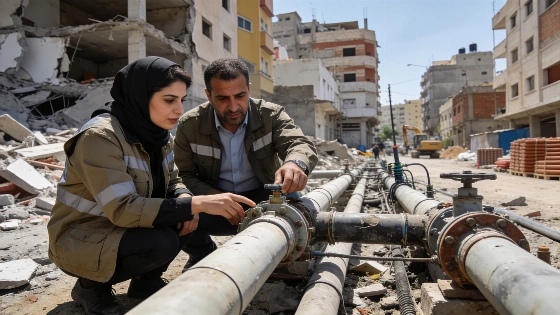
Speakers stressed the importance of weaving climate priorities into every part of Syria’s reconstruction. This covers decisions about energy infrastructure, water systems, governance, and restoring local livelihoods. The panel made clear that choices during this phase will shape whether Syria’s recovery strengthens or weakens its climate resilience and stability in the years ahead.
International frameworks like the World Bank’s Adaptation and Resilience Finance Triangle argue that adaptation should be built into infrastructure, governance, water, energy, and livelihood investments, not set aside as a separate project. This approach draws lines between mainstreaming resilience in regular development and business investments, targeted resilience-building like flood defenses and early-warning systems, and risk financing for shocks that can’t be avoided. For countries facing major reconstruction, these distinctions help clarify the difference between climate-proofing routine projects and building standalone protective infrastructure or post-disaster financial tools.
The session pointed out that real integration of climate factors needs cross-sectoral strategies, covering financing, governance, technical planning and community-driven rebuilding. The discussion highlighted leading practices and the value of bringing together government, implementation agencies and research groups to rethink how hard security, human security and climate action can move forward together.
Urgency for Cross Sectoral Responses
The BCSC’s eighth edition spotlighted the links between climate, security and prosperity, stressing the need for integrated responses as global instability grows. The Syria session showed that reconstruction is about more than physical rebuilding. It’s also about building resilience to future climate risks into the country’s recovery efforts.
The World Bank notes that large financing gaps and fiscal limits can’t be solved by broad cost estimates alone. It also points out that project sequencing, risk allocation and financing design are key to resilience planning. The World Bank DataBank offers global, regional and national development datasets, but administrative-level data may not line up across countries, and Syria-specific indicators need focused assessment and reporting.
This video production was supported by the German Federal Foreign Office. © adelphi global, all rights reserved.