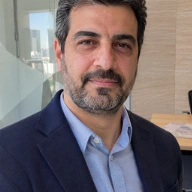
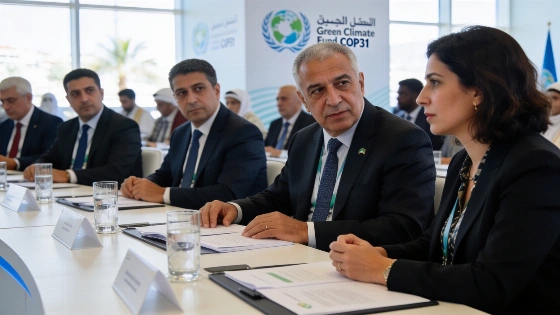
At the UN Climate Change Conference (COP31) in Antalya, Palestinian Prime Minister Mohammad Mustafa pressed the Green Climate Fund (GCF) to put Gaza’s reconstruction at the forefront, pointing to the severe environmental and climate fallout from the recent conflict. The GCF took part in COP31 in November 2026, where it presented its project-development and financing tools for climate action. These included options for climate-resilient rebuilding and adaptation projects on its official COP31 page.
In a meeting with Mafalda Duarte, Executive Director of the GCF, Mustafa described the devastating toll of war on Gaza’s people and infrastructure. He argued that rebuilding must weave in environmental sustainability and resilience. New projects, he said, should address urgent humanitarian needs and long-term climate risks together.
Focus on Environmental and Institutional Recovery
The talks covered project proposals from Palestine focused on agriculture and water, as well as broader development sectors. The GCF’s project-development system requires organizations seeking to develop and run projects to work through its accreditation structure. This includes the Project-Specific Assessment Approach (PSAA) for large or complex proposals, the standard project approval process, and the Simplified Approval Process (SAP) for smaller, lower-risk projects. Access to GCF funding depends on an institutional accreditation framework, with accredited entities described as "organisations accredited by GCF to develop and implement climate projects" (GCF at COP31). The agenda also included support for Palestinian national institutions, aiming to build their capacity in climate action, project preparation, monitoring, and funding applications.
Both sides reviewed the accreditation process for Palestinian institutions. The GCF’s official accreditation model channels climate finance through entities that meet institutional and fiduciary requirements, as well as environmental and social standards. The fund distinguishes between organizations accredited to develop and implement projects and applicants using project-specific assessment mechanisms. Strengthening Palestinian institutions’ project preparation, monitoring, safeguards, and financing capacity fits with the fund’s operating structure. The GCF also requires that project and programme funding proposals with environmental or social impacts include environmental and social safeguards reports as annexes to the funding proposals. This review is a formal part of the funding process for any recovery programme involving housing, water systems, agriculture, infrastructure, land disturbance, or displacement risks.
Climate Policy and Project Roadmap
Mustafa pointed to the Palestinian government’s adoption of the Third Nationally Determined Contributions (NDC) report and ongoing work on a climate-specific legal framework. He described the Third NDC as a roadmap for climate action, mapping out needs and proposed interventions across about 12 development sectors. The prime minister stressed the need to secure funding to carry out these projects, which aim to reinforce citizen resilience and advance sustainable development in Palestine.
Mafalda Duarte reaffirmed the importance of the partnership between Palestine and the GCF, and praised the Environment Quality Authority for its active involvement and close follow-up on climate-related activities and funding opportunities.
The meeting included Palestine’s Permanent Observer to the United Nations Riyad Mansour, Ambassador to Turkey Nasri Abu Jaish, and Environment Quality Authority Chairman Zaghloul Samhan.