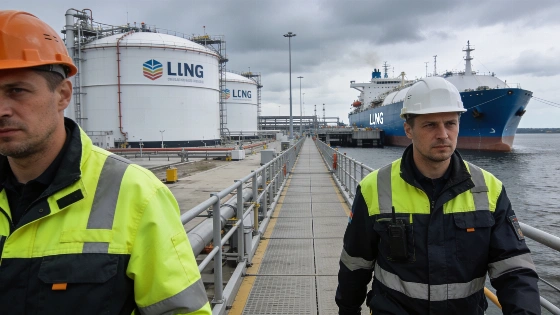
Force majeure events tied to the Iran war have pushed Orlen, Poland's largest energy group, to end one of its two long-term liquefied natural gas (LNG) supply contracts with QatarEnergy. The contract, signed in 2009 by PGNiG (now part of Orlen), covered 1 million metric tons of LNG each year and was set to last until 2034. Deliveries started in 2016. Orlen sent the termination notice on 10 November 2026, using its contractual right after what it called a prolonged force majeure that stopped QatarEnergy from fulfilling its delivery obligations. The contract stays in force for 60 days after the notice, so obligations and possible deliveries continue during this time. This is the first publicly reported cancellation of a long-term QatarEnergy LNG contract since conflict-related disruptions began in the Gulf region (Reuters report).
QatarEnergy declared force majeure in March 2026 after conflict-driven attacks and disruption in the Gulf hit LNG production and shipping. Iranian drone attacks targeted LNG facilities at Ras Laffan and affected tanker movement through the Strait of Hormuz. These operational problems kept QatarEnergy from meeting at least some of its delivery obligations to Orlen. The force-majeure period lasted for months, and Orlen's termination followed ongoing disruption rather than a single missed shipment. The event exposes how LNG supply chains can be vulnerable to regional maritime security threats and attacks on infrastructure (AGBI coverage).
Contractual and Market Implications
The canceled agreement used an oil-linked pricing formula, which market participants estimate at about 16% of Brent crude. When the deal was signed in 2009, this pricing was standard. The global LNG market has since changed, and many buyers now get cheaper LNG from the United States under different pricing models. Analysts cited by Reuters say long-term US LNG contracts now cost about $6 to $7 per million British thermal units, which is less than half the price of the oil-linked Qatari deal. One market report put the terminated contract's annual value at roughly €570 million, but this is an estimate, not an official figure.
Orlen said ending the contract does not threaten Poland's gas supply security. The company still sources gas from its own production fields and through long-term deals with suppliers in Norway and the United States. Orlen also keeps its second long-term LNG supply agreement with QatarEnergy, which covers up to 1 million tonnes per year through 2034 and uses a pricing formula linked to gas market benchmarks instead of oil prices. The company stressed that the termination was a contractual move, not the result of a government order, court ruling, or regulatory penalty.
Ongoing LNG Supply Arrangements
Despite ending one contract, Orlen will keep its second long-term LNG supply agreement with QatarEnergy. This contract, also running until 2034, is based on a gas-market-linked pricing formula and was not affected by the force majeure or the termination notice. The difference between the two contracts shows a wider shift in LNG contracting, as buyers now prefer gas-market-linked or US LNG pricing over older oil-indexed formulas. Orlen's action targeted the affected contract's supply and commercial terms, not a full exit from QatarEnergy as a supplier.
Orlen had earlier expected Qatari LNG deliveries to restart in mid-November after a months-long break caused by the conflict. The ongoing force majeure has blocked the return of supply under the terminated contract. The company continues to rely on a mix of domestic production and other long-term supply deals to keep gas supplies secure.
Reuters covered these developments, with reporting from Natalia Bueno Rebolledo in Mexico City, Marwa Rashad in London, and Marek Strzelecki in Warsaw. Editing was handled by Leroy Leo, Jamie Freed, and Rod Nickel. For more details, see the original coverage.