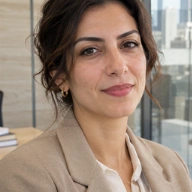
Slovenia aims to draw visitors from the United Arab Emirates and the Gulf region throughout the year, targeting investment in its hospitality, wellness, and technology sectors. Ambassador Sabina Stadler, representing Slovenia in the UAE, shared these goals with Gulf Tourism News and pointed to opportunities for closer business ties between Slovenian and Emirati companies.
Ambassador Stadler said Slovenia is working to complete a bilateral investment agreement with the UAE. This agreement is designed to make cross-border investment easier, support business partnerships, and help companies pursue opportunities in both countries. She named tourism and logistics as key areas, along with pharmaceuticals, biotechnology, artificial intelligence, and scientific research, where collaboration could grow.
Tourism and Hospitality Investment
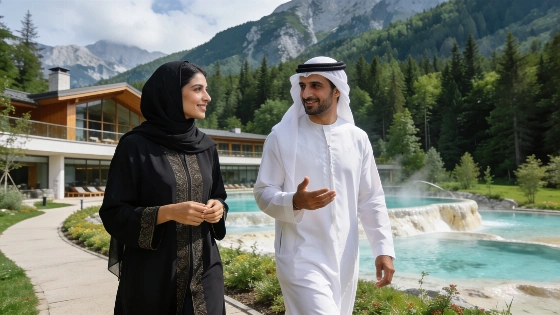
Slovenia’s tourism sector relies on its natural settings: mountains, beaches, forests, and mineral springs. The country is looking for Gulf investors to help build new luxury hotels and resorts, upgrade existing properties, and bring in well-known hotel brands. Ambassador Stadler said Slovenia needs more high-end accommodation to keep up with rising demand, as long as new projects meet environmental rules.
Wellness tourism stands out, with Slovenia’s mineral springs and health resorts forming the backbone of this sector. The Ambassador pointed to chances for creating wellness packages tailored for Gulf travelers, such as rehabilitation and beauty treatments in natural surroundings. Investment in these facilities could broaden the services offered to international guests and link Slovenia’s wellness industry with the Gulf travel market.
The Slovenian government connects tourism growth to global visibility and economic gains, referencing the country’s role in hosting a major cycling event that brings top cyclists to Slovenian roads and highlights the country’s destinations and experiences to a worldwide audience. The government bulletin stated, "Hosting the race provides an exceptional opportunity for Slovenia to welcome the world's cycling elite to its roads once again, strengthening its international visibility and reputation, while creating new opportunities for Slovenia's economy, particularly in the tourism sector." The bulletin also noted that broad media coverage of these events gives Slovenia a platform to present its destinations, people, and unique experiences to the world. Tourism development fits into a broader push to boost Slovenia’s economy and investment climate. More details are available in the Slovenian government bulletin.
Strategic Sectors and Research Collaboration
Outside hospitality, Slovenia wants to expand cooperation with the UAE in logistics, pharmaceuticals, biotechnology, and advanced technology. The Port of Koper on the Adriatic Sea acts as a main entry point for cargo heading to Central Europe and offers strategic value for logistics deals. Ambassador Stadler also mentioned Slovenia’s background in artificial intelligence and medical research, with institutions like the University of Ljubljana, the Jožef Stefan Institute, the National Institute of Biology, and the National Institute of Chemistry open to international partnerships. These could involve research projects, student exchanges, and joint work on advanced medical technologies.
Slovenia’s work in space technology came up as well, with the country having launched two satellites and running an office focused on space activities, including cooperation with the European Space Agency. Slovenian companies are active in space, security, defence, and other advanced fields, opening more doors for UAE collaboration.
Environmental Commitment and Quality of Life
Environmental protection sits at the core of Slovenia’s development plans. Over one-third of the country’s land is under environmental protection, including national and regional parks. The Ambassador stressed Slovenia’s focus on recycling, biodiversity, and careful resource management. She also pointed out Slovenia’s role in starting World Bee Day, marked every year on May 20, to highlight the importance of pollinators for food security and ecological balance.
Slovenia’s health insurance system and established medical services, especially in neonatal and paediatric care, add to its tourism and wellness appeal. The Ambassador invited UAE nationals, GCC citizens, and residents to experience Slovenia’s scenery and hospitality, while urging businesses and investors to look at opportunities in tourism, healthcare, research, and new technologies. The interview with Gulf Tourism News formed the basis for these details.
Environmental data from the Slovenian Environment Agency shows that population exposure to ozone in Slovenia ranged between 5,007 and 7,035 micrograms per cubic metre-days from 2014 to 2023, with the highest value in 2017 and a 2023 figure of 5,542. These numbers give environmental context for tourism development and are published by the Slovenian Environment Agency.