
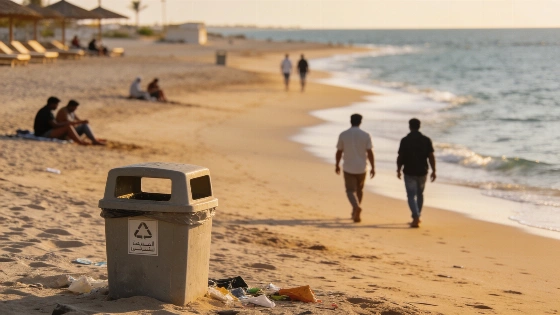
Ras Al Khaimah beachgoers can now return to several major stretches of coastline after weeks of restricted access. The emirate's Public Services Department announced that, as of 11 November 2026, seven beaches—including public and resort-operated sites—are open again following a temporary shutdown triggered by an offshore oil spill in October. The list includes Flamingo Beach, Dahan Beach, Al Maireedh Beach and Al Rams Corniche as public sites, plus Anantara Mina Al Arab Resort Beach, InterContinental Mina Al Arab Resort & Spa Beach and The Cove Rotana Resort Beach as resort destinations. The department said other beaches would reopen in phases, with updates to come through official channels (Gulf News).
The closures began in early October 2026 after the supertanker Gem No. 2 was damaged and leaked oil into the Gulf for several weeks. The National reported the vessel was hit in a suspected Iranian drone attack, and the UAE Ministry of Climate Change and Environment confirmed pollution from the spill reached Ras Al Khaimah's shoreline after residents in different areas noticed a fuel smell. Ras Al Khaimah closed all beaches on 24 October 2026, one day after the federal authority confirmed the spill, coordinating the move with Ras Al Khaimah Police. Umm Al Quwain and Sharjah also imposed coastal restrictions to limit environmental fallout and protect public health (Khaleej Times).
Beaches now accessible
The phased reopening brings back access to four public beaches—Flamingo Beach, Dahan Beach, Al Maireedh Beach and Al Rams Corniche—and three resort beaches: Anantara Mina Al Arab Resort Beach, InterContinental Mina Al Arab Resort & Spa Beach and The Cove Rotana Resort Beach. Residents and tourists can return to some of the emirate's busiest coastal spots, though the entire coastline is not yet fully open. The Public Services Department told visitors to follow safety guidance and check the status of other coastal locations before heading out, as more announcements about remaining beaches will come through official channels.
Officials said further updates on other beaches would be shared through official channels. The department also called on all visitors to follow safety instructions and guidelines from relevant authorities to keep the environment safe for everyone. Reports show that restrictions or cleanup work continued in parts of Sharjah and other affected areas, with the reopening handled step by step at each location.
Environmental response and ongoing monitoring
After the initial spill, UAE authorities started containment and cleanup operations once oil from Gem No. 2 reached waters and shorelines near the northern emirates. By 30 October, officials confirmed the leak had been stopped at its source and no further oil was detected. The reported impact stretched across about 30 kilometres of coastline between Umm Al Quwain and Al Marjan Island, with possible traces along another section of northern Ras Al Khaimah. Gem No. 2 was a 330-metre tanker, and 22 Indian crew members were reported rescued.
Satellite images during the incident showed the oil slick concentrated offshore from Umm Al Quwain, with some pollution reaching toward Ras Al Khaimah, Ajman and Sharjah. The Ministry of Climate Change and Environment said fish sold in local markets and drinking water remained safe, and the reported odours did not pose a health risk to residents. While seven beaches in Ras Al Khaimah have reopened, restrictions remain at other sites as environmental monitoring continues. The reopening does not cover all UAE beaches, with Umm Al Quwain and Sharjah keeping some sites closed for further assessment. For more details, see previous coverage.